Yes, knee tattoos hurt more than most placements. The kneecap sits right under a thin layer of skin, so you feel the needle on the bone. But not every part of the knee is the same. A design on the side of the knee or just above it can feel closer to a 6 out of 10, while the kneecap itself is usually an 8 or 9.
This guide breaks down how much each part of the knee hurts, why it hurts, what it feels like, and what you can do to make the session and the healing easier. If you are still choosing a design, browse our knee tattoo ideas first.
Quick Answer: How Much Do Knee Tattoos Hurt?
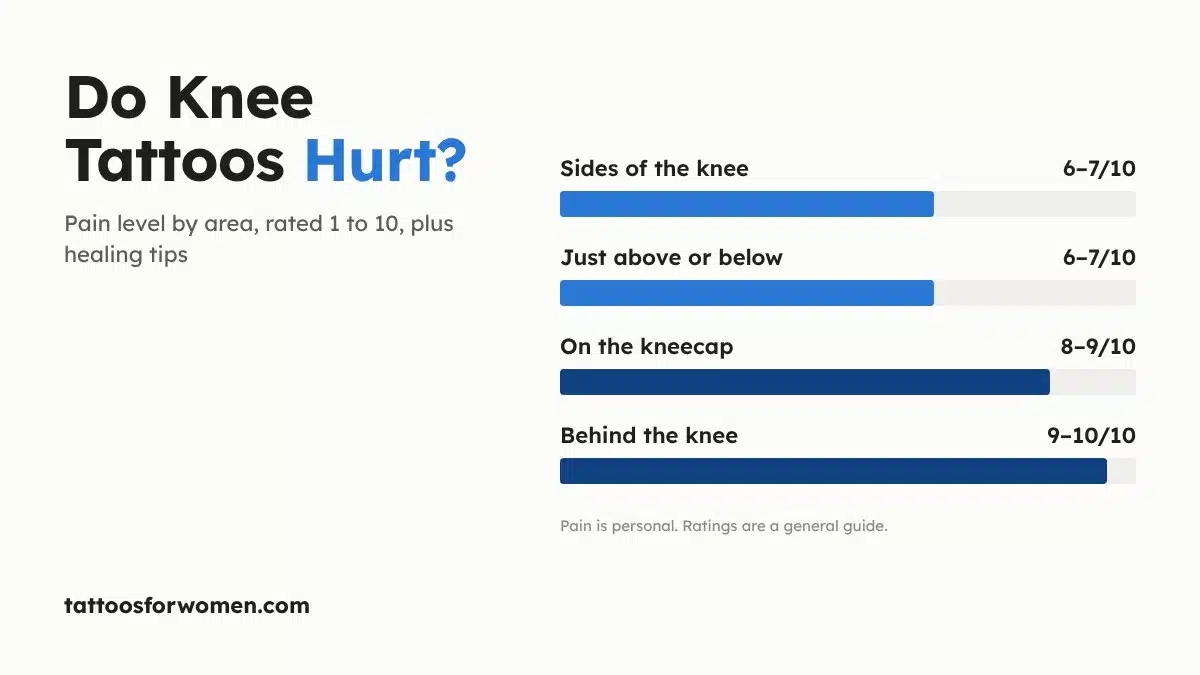
On a scale of 1 to 10, most people rate a knee tattoo between 6 and 10, depending on the exact spot:
- Sides of the knee: 6 to 7 out of 10
- Just above or just below the kneecap: 6 to 7 out of 10
- On the kneecap: 8 to 9 out of 10
- Behind the knee (the knee ditch): 9 to 10 out of 10
For comparison, the outer thigh is usually around a 3. You can see every placement side by side on our tattoo pain chart for women.
Why Do Knee Tattoos Hurt So Much?
A few things come together on the knee that make it one of the tougher spots:
- Bone close to the surface. There is very little fat or muscle over the kneecap, so the vibration of the needle travels straight into the bone.
- Thin, stretchy skin. The skin on the knee is loose and folds when you bend. The artist has to stretch it tight to work, which adds pressure.
- Lots of nerve endings behind the knee. The back of the knee is soft and very sensitive, which is why it is often called one of the most painful spots on the body.
- Constant movement. You bend your knee all day, so the area can feel sore for longer after the session.
What Does a Knee Tattoo Feel Like?
Most people describe the kneecap as a deep, buzzing or rattling feeling, almost like the needle is tapping on the bone. Some say it feels like a vibration that runs down the shin. The sides of the knee feel more like a sharp scratch, similar to other parts of the leg.
The back of the knee is different. Because the skin is thin and soft, it often feels hot and sharp, and it can make your leg twitch. That is why many artists suggest keeping designs there small, or skipping that area on a first knee tattoo.
Covering the Kneecap vs Framing It
One of the easiest ways to control the pain is to choose a design that frames the kneecap instead of covering it. Here are two examples from our knee tattoo ideas:
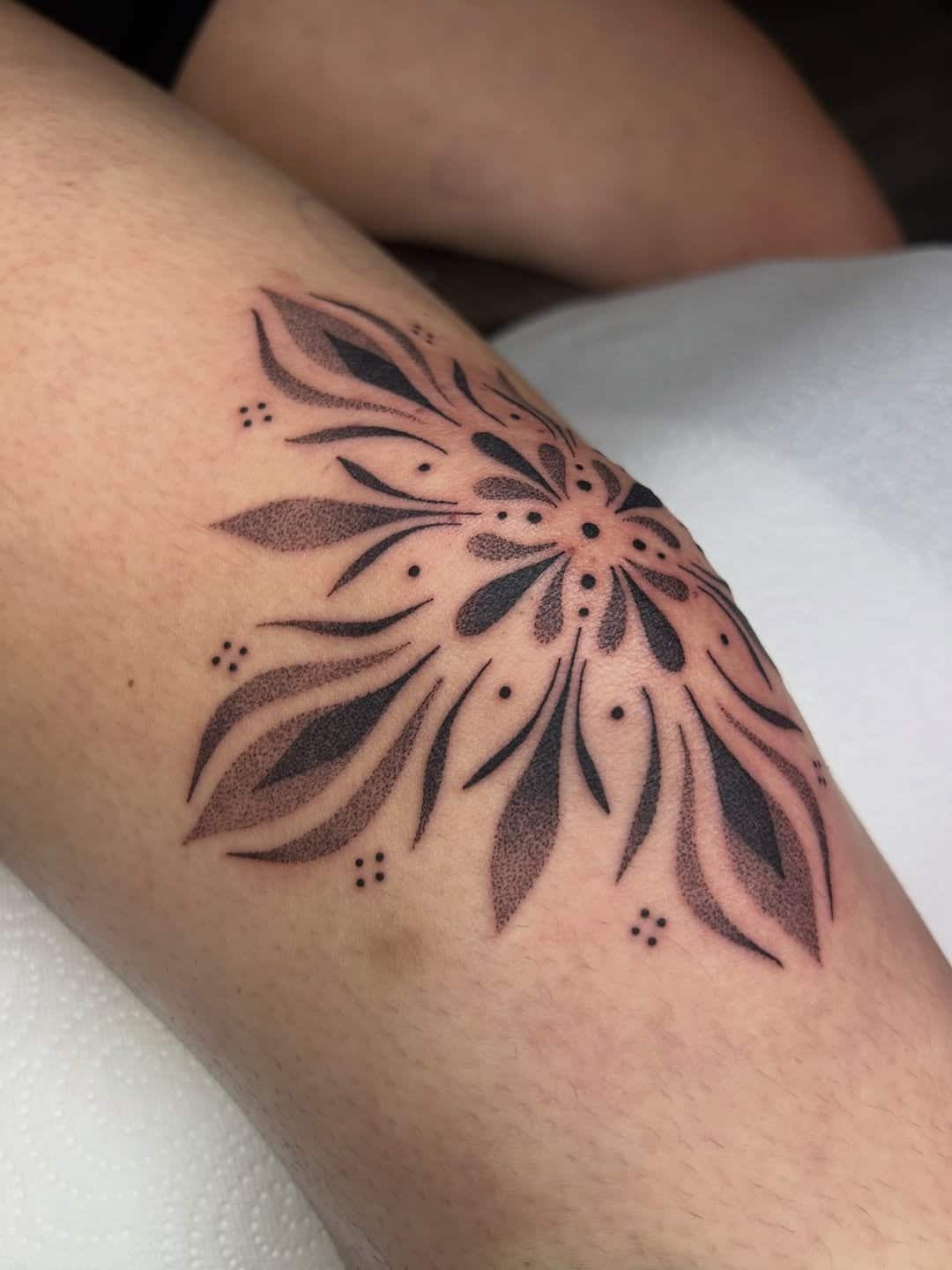
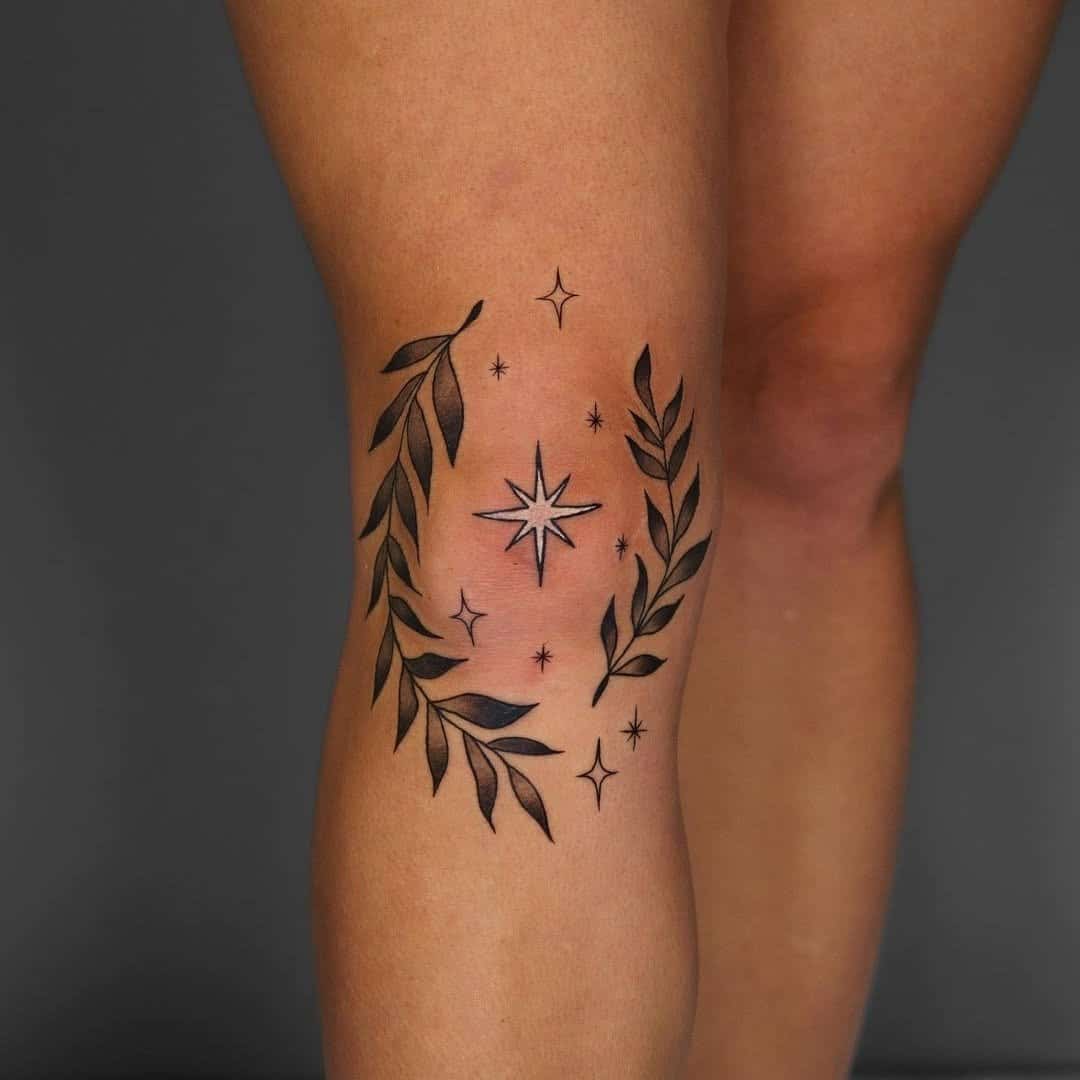
A frame design like a wreath, an arch or a pair of moth wings still looks great on the knee, but most of the needle work stays on the softer skin around the bone. If you want to avoid the knee altogether, above the knee tattoos and thigh tattoos give a similar look with less pain.
What Makes a Knee Tattoo Hurt More or Less
- Size and detail. A small star takes minutes. A full mandala over the kneecap can take several hours, and the skin gets more tender the longer you sit.
- Style. Fine lines and light dotwork are usually easier than solid black fill or bright color packing, which goes over the same skin several times.
- The artist. An experienced artist works steadily and knows how to stretch the skin on a bending joint. It makes a real difference.
- Your body that day. Poor sleep, an empty stomach and stress all make pain feel worse. Many people also find they are more sensitive around their period.
How to Make a Knee Tattoo Hurt Less
- Sleep well the night before and eat a proper meal about an hour before your appointment.
- Drink plenty of water the day before and on the day of your session.
- Skip alcohol for at least 24 hours before.
- Wear shorts or a loose skirt so the artist can reach the knee without your clothes getting in the way.
- Ask for short breaks, and breathe out slowly when the needle is on the kneecap.
- If you want to try a numbing cream, ask your artist first. Some products can affect how the skin takes ink.
- Split a large design into two or three shorter sessions.
How Long Does a Knee Tattoo Take to Heal?
Most tattoos heal on the surface in two to three weeks. Knee tattoos often take a little longer, because the skin bends and stretches every time you sit, stand or walk. Here is what to expect:
- Days 1 to 3: The knee feels sore, warm and a little swollen. Bending it can feel stiff.
- Days 4 to 14: The tattoo starts to flake and itch. This is normal. Do not pick or scratch it.
- Weeks 2 to 4: The surface closes up. The tattoo may look a little cloudy or patchy for a while.
- After 1 to 2 months: The deeper skin finishes healing. If a few spots healed light, this is the time for a touch-up.
Aftercare Tips for Knee Tattoos
- Wash it gently twice a day with lukewarm water and a fragrance-free soap, then pat it dry.
- Use a thin layer of unscented moisturizer so the skin stays soft and does not crack when you bend.
- Avoid kneeling, squats and long runs for the first week.
- Wear loose pants or shorts. Tight jeans rub against the fresh tattoo.
- Stay out of pools, baths and direct sun for at least two weeks.
- If you notice spreading redness, heat, pus or a fever, contact a doctor.
For a detailed, medically reviewed guide to healing, see Healthline’s tattoo aftercare guide.
Is a Knee Tattoo Worth the Pain?
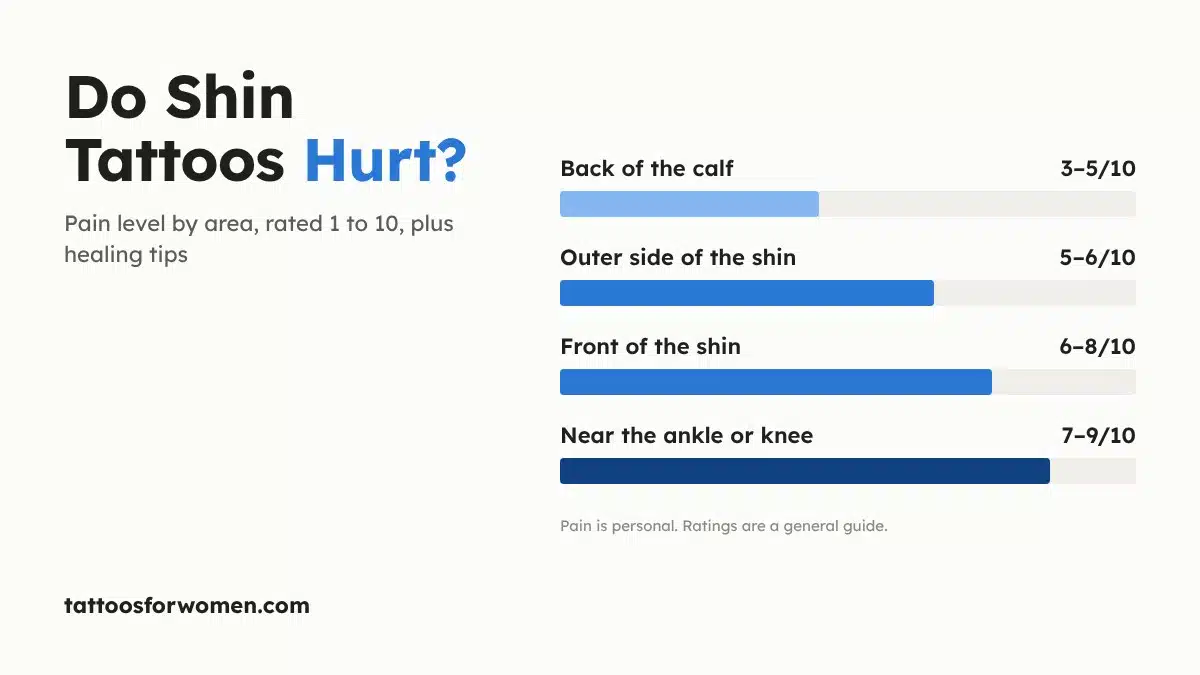
For a lot of women, yes. The knee is a striking spot, and a good design there looks great with shorts, skirts and dresses. It also works as a natural link between a thigh tattoo and a shin tattoo (here is how much shin tattoos hurt), so it often becomes the center of a bigger leg piece.
If this would be your first tattoo, it may be easier to start somewhere gentler, like the outer thigh or the calf, and come back to the knee once you know how your body handles the needle. For more ideas across the whole leg, see our leg tattoo guide.
Knee Tattoo Pain FAQs
Is the kneecap or the back of the knee more painful?
The back of the knee is usually more painful. The skin there is very thin and full of nerve endings. The kneecap is painful too, but it feels more like a deep vibration on the bone.
Do knee tattoos hurt more than elbow tattoos?
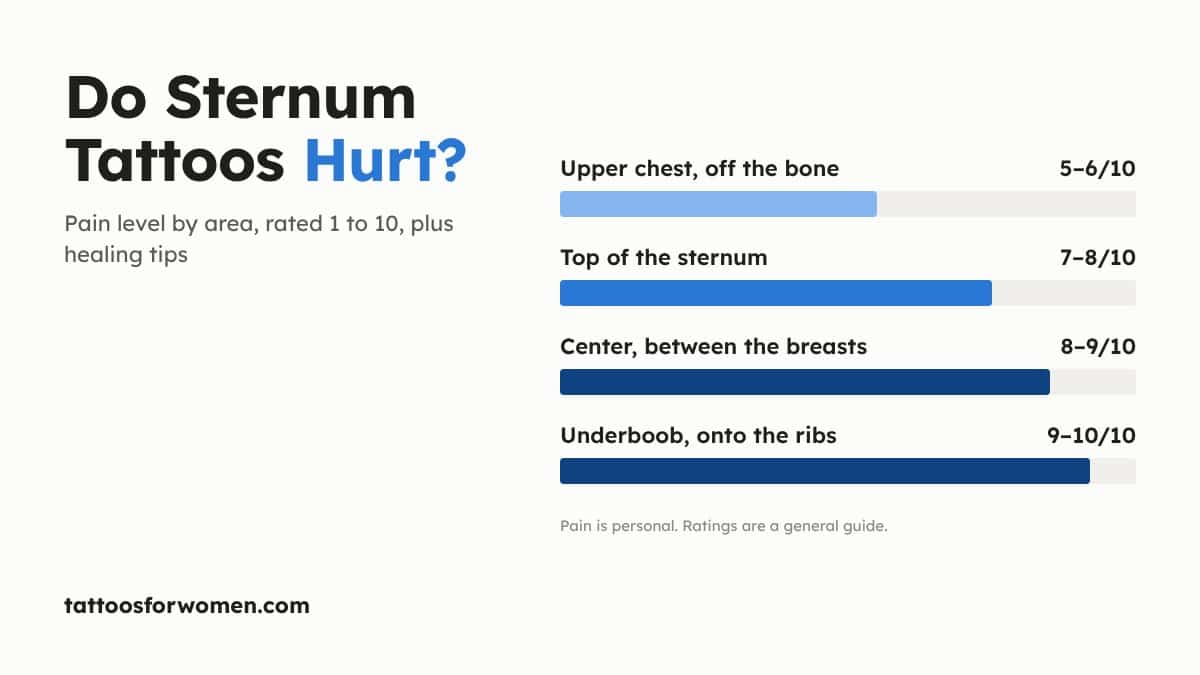
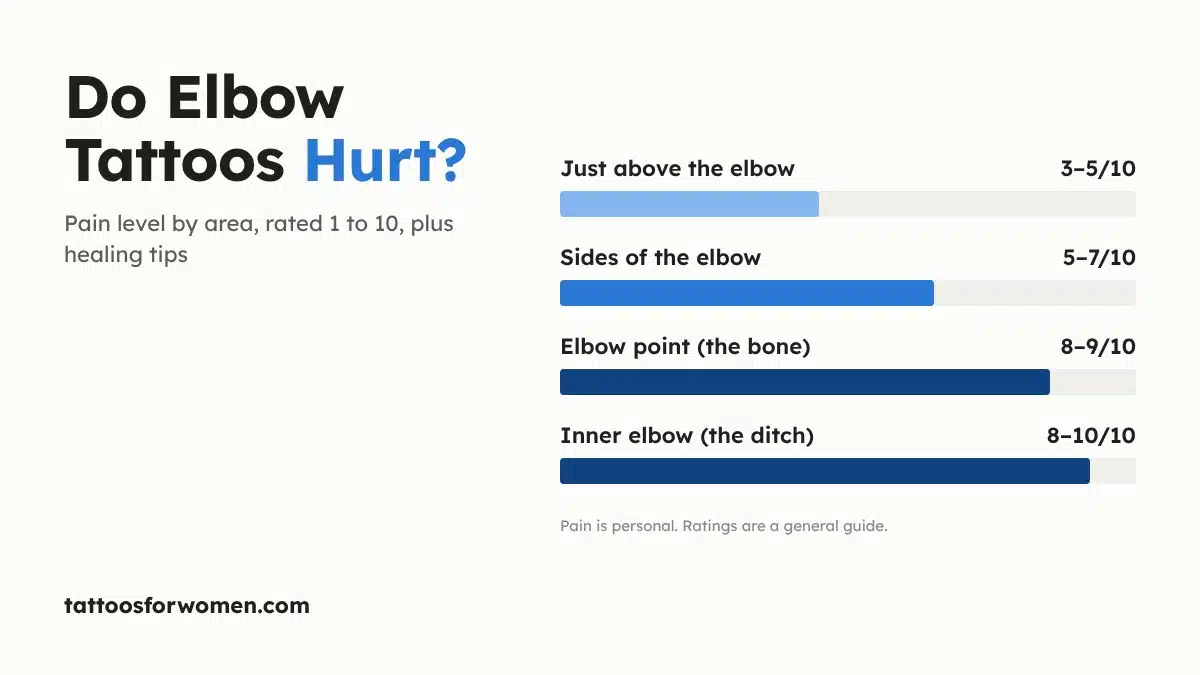
They are fairly similar, because both sit right on bone. Most people rate the kneecap and the elbow point around 8 out of 10. The back of the knee tends to hurt more than any part of the elbow. See our guide on whether elbow tattoos hurt.
How long does a knee tattoo session take?
A small design can take 30 minutes to an hour. A large mandala or floral piece that covers the kneecap can take three to six hours, often split into more than one session.
Can I walk after a knee tattoo?
Yes. You can walk normally, but the knee may feel stiff and sore for a few days. Avoid kneeling, running and squats for about a week.
Do knee tattoos need touch-ups?
Often, yes. Because the skin bends so much, small patches can heal lighter than the rest. Many artists offer a free touch-up after the tattoo has fully healed.
Final Thoughts
Knee tattoos do hurt, especially on the kneecap and behind the knee. But the pain is short, and a frame design or a spot just above the knee can make it much easier. Plan a shorter session, take good care of it while it heals, and you will end up with one of the most eye-catching placements on the body. When you are ready to pick a design, start with our 45 knee tattoo ideas for women.